A battery that pays for itself · AlphaESS

Industrial battery energy storage (BESS)

Charging in the night valley of the day-ahead market (DAM), discharging at the evening peak, shaving your demand peaks — plus backup switching in up to 20 ms. Official AlphaESS dealer and service partner in Ukraine.

Lineup

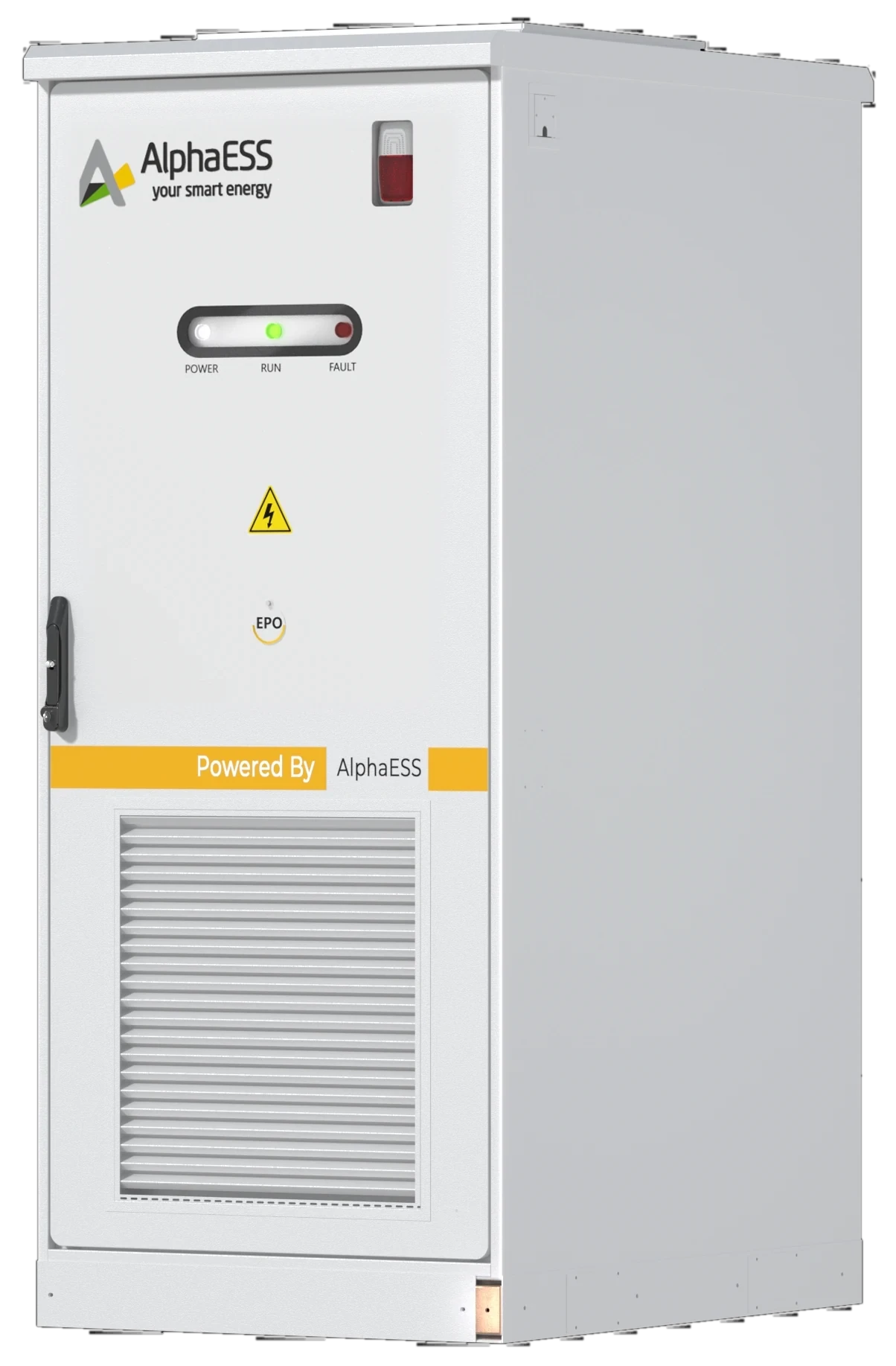
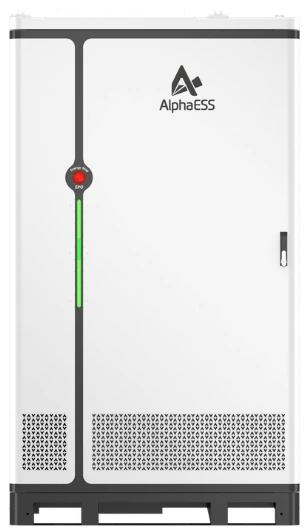
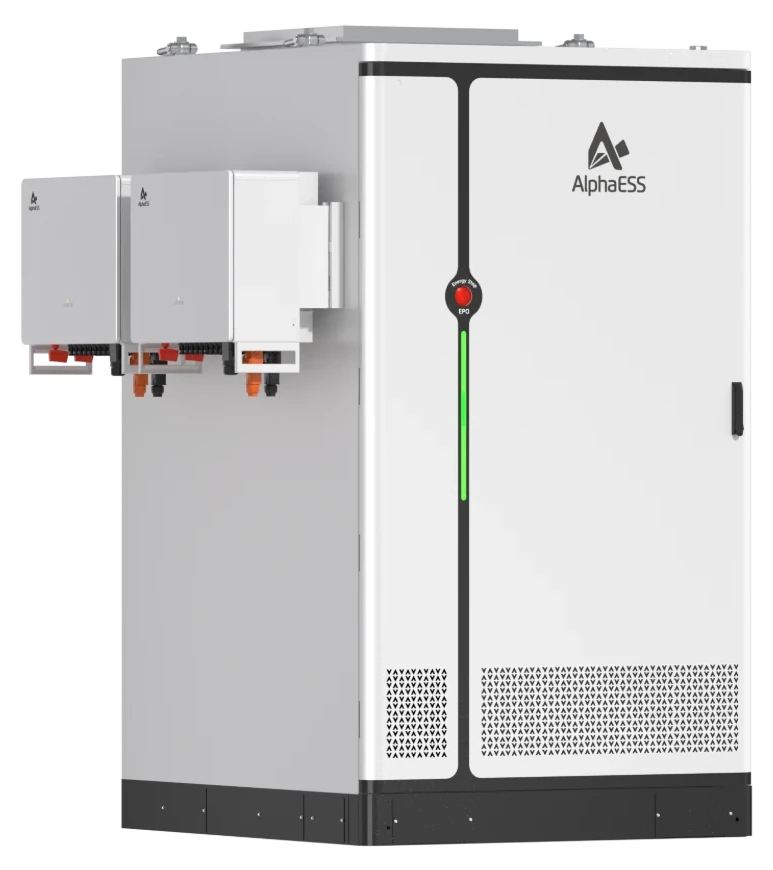
Energy storage for business: from an office to the energy market

Utility · lineup flagship

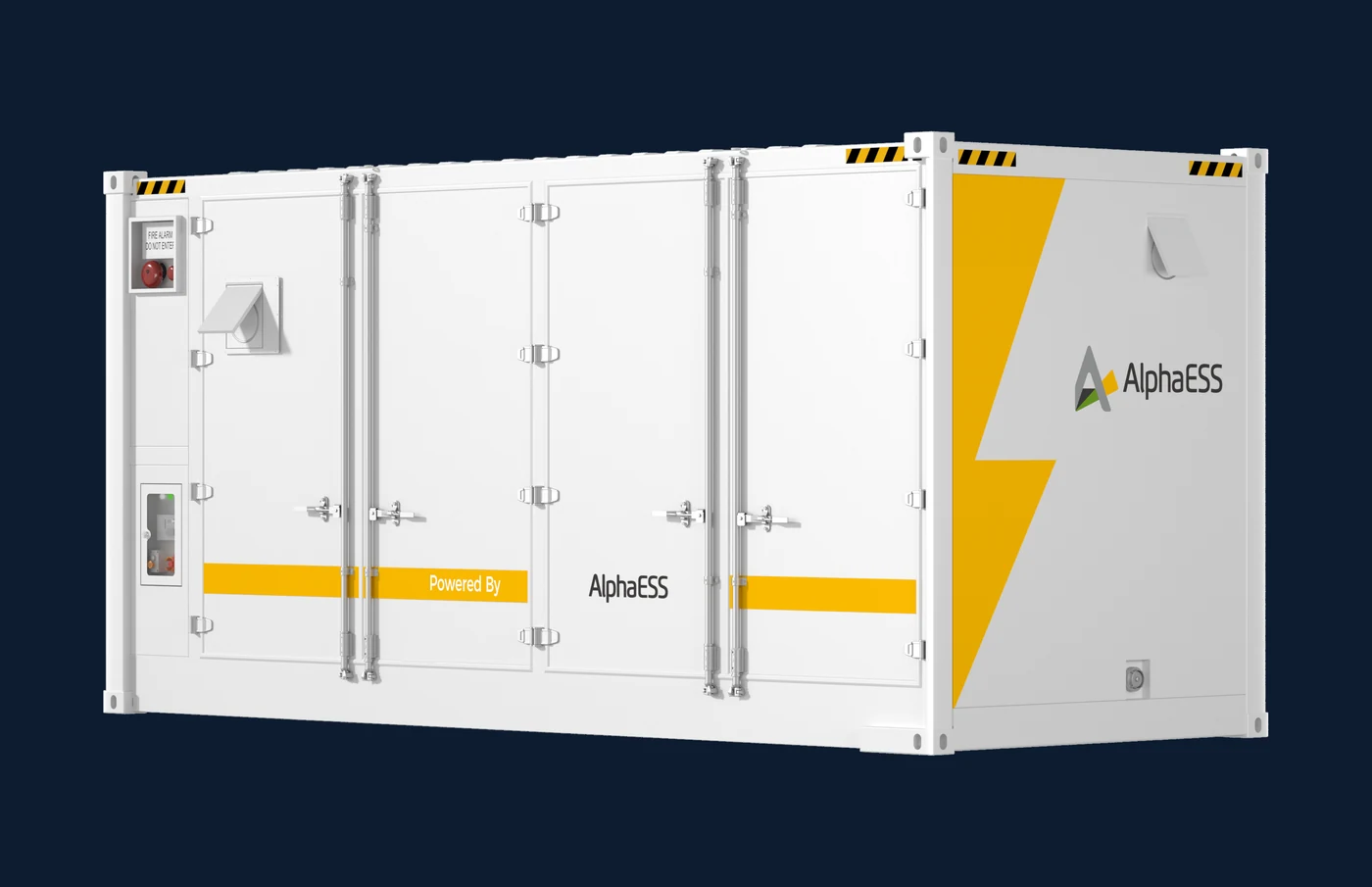
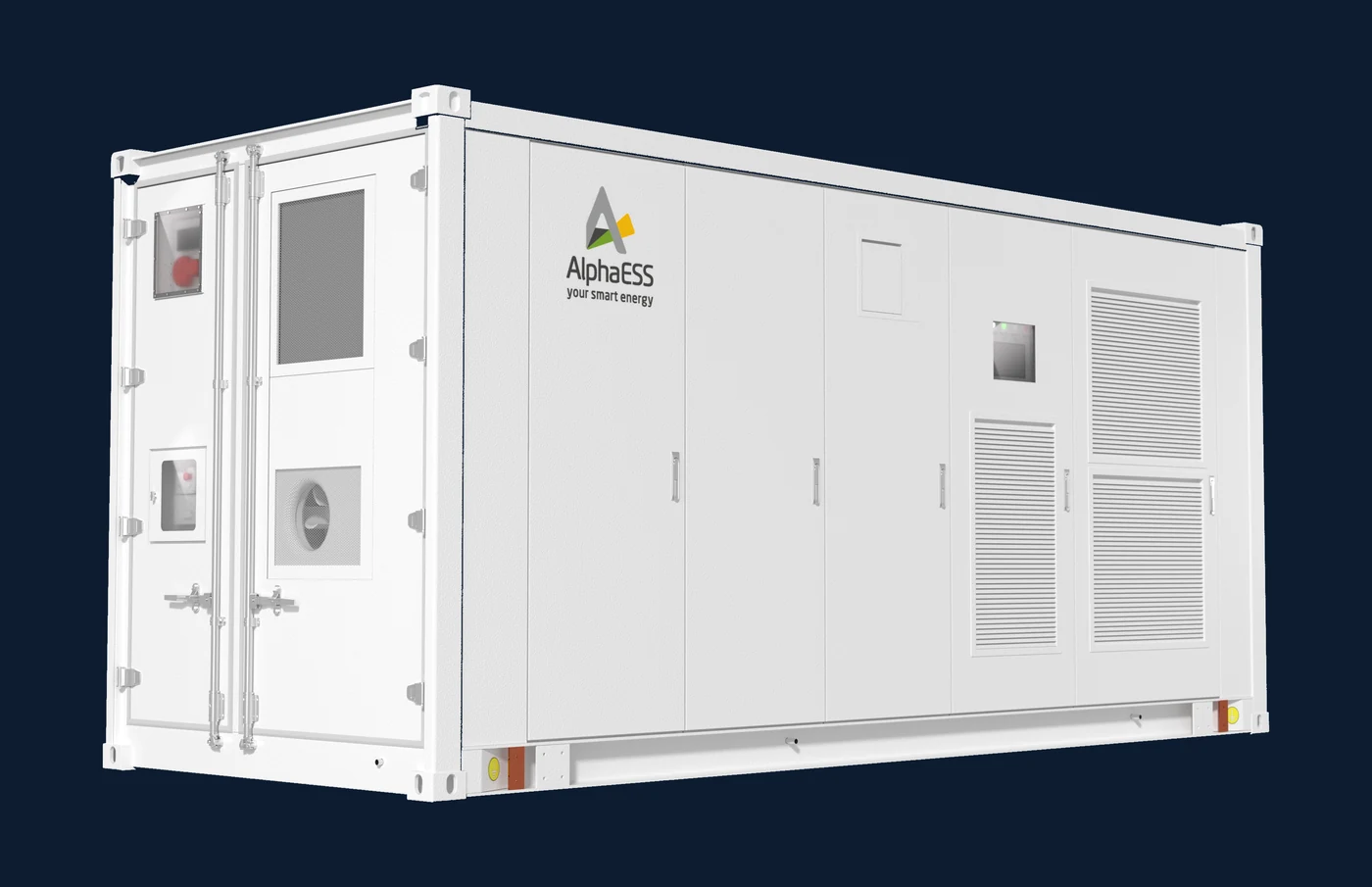
AlphaESS Aster 5000

Containerised system for DAM energy arbitrage, RES balancing and industrial-site backup.

5,015 kWh

from $110/kWh · excl. VAT

  • 1500 V · LFP · liquid cooling
  • Up to 12 clusters in parallel · 20-ft container · IP55
  • SES AI dispatch included
Full specifications→
AlphaESS Aster 5000

Ranges come from AlphaESS datasheets. Indicative equipment prices in USD excl. VAT as of October 2026; installation, commissioning and grid connection are quoted in the proposal. Full spec pack ships with every proposal.

Payback calculator

Size your battery

DAM arbitrage within NEURC Resolution No. 70 price caps + peak shaving. Move the sliders — the chart recalculates instantly.

400 kWh
200 kW
12,000 UAH/kWh
3,800 UAH/MWh
9,500 UAH/MWh
100 kW
260 UAH/kW/mo
Typical configurations

Assumptions: DoD 90%, RTE 90%, 330 trading days per year, up to 4 hours of discharge per cycle within the 17:00–22:00 peak zone, no degradation or taxes. Default charge and discharge prices (3,800 and 9,500 UAH/MWh) are an illustrative example, not the caps — adjust them to your profile; the slider maximums are the NEURC Resolution No. 70 caps (5,600 and 15,000 UAH/MWh). For reference: AlphaESS equipment prices are $110–220/kWh excl. VAT (see the lineup above); set the CAPEX in the calculator for your own project, including installation and grid connection.

Payback 5.2 years
Savings + revenue per year
0 UAH
Investment
0 UAH
Revenue per day
0 UAH

Cumulative cash flow, 10 years

Preliminary estimate, not a feasibility study. Model: DoD 90%, RTE 90%, arbitrage within DAM caps (NEURC Resolution No. 70), no degradation, taxes or connection costs. An exact calculation follows a load profile analysis.

Get an exact calculation→

Three revenue streams from one battery

DAM arbitrage

The AI platform charges the battery in overnight price valleys and discharges into morning and evening peaks, within NEURC Resolution No. 70 price caps. Revenue scales with the daily DAM spread and system capacity.

Peak shaving

Battery discharge clips the site's load peaks, reducing contracted capacity and excess-demand charges.

Backup power

On grid loss the STS transfers load to the battery in up to 20 ms, keeping equipment, POS and IT running. Savings come from avoided downtime and genset fuel.

Battery energy storage (BESS): frequently asked questions

What is a BESS (battery energy storage system)?

A BESS is an industrial battery with an inverter and a control system: it charges when electricity is cheap and discharges during price peaks or outages. In Ukraine the same equipment is known as УЗЕ (установка зберігання енергії).

How much does an industrial battery cost?

AlphaESS equipment starts at $110/kWh excl. VAT for Aster 5000 containers and goes up to $220/kWh for the STORION-H30/H50-G3 hybrids; STAX G2 — on request. The final budget depends on capacity, power and configuration (STS, grid connection, installation). The payback calculator gives a first estimate; send us your hourly consumption profile — within 2 business days we return a feasibility study with budget and payback.

How fast does the system pay back?

With a managed profile — night charging within the 5,600 UAH/MWh cap, peak discharge, peak shaving — typical C&I payback is 3–5 years. The calculator above and a feasibility study based on your profile give the exact figure.

What warranty and who provides service?

5 years on the system and 10 years on the battery from AlphaESS. Installation, commissioning and service by SES engineers trained by the manufacturer; remote diagnostics 24/7.

What happens during a grid outage?

STS-equipped systems switch to battery in up to 20 ms — equipment, tills and IT never notice. Autonomy depends on capacity and load.

Do the batteries work outdoors in winter?

Yes. IP55 enclosures; the lower operating limit depends on the model: −20 °C (STORION-H30/H50-G3, TB125, LC-H125), −25 °C (STAX G2), −30 °C (TB150, Aster TB250/TB500), −40 °C (Aster 5000). In liquid-cooled models (TB125, TB150, LC-H125, Aster) thermal management preserves capacity in frost and heat.

How does the AI platform make money on the battery?

Every day it reads the DAM price forecast, predicts site consumption and schedules charging in the cheapest hours and discharge in the most expensive ones — within NEURC Resolution No. 70 caps. You see the report, the system makes the money.

How much does an LFP battery degrade over 10 years?

AlphaESS LFP cells are rated for up to 8,000 cycles depending on the model (STAX G2: 6,000 or more); a typical C&I profile with one full cycle per day accumulates about 3,650 cycles in 10 years. Expected capacity loss over that period is roughly 20–30%, depending on depth of discharge, temperature and thermal management. The 10-year manufacturer battery warranty guarantees a minimum remaining capacity at end of term; the exact SOH threshold is set in the warranty certificate of the specific model.

What are the delivery and installation lead times for a typical C&I system?

Equipment from stock in Ukraine ships in roughly 2–4 weeks; factory orders typically take 8–14 weeks; exact lead times are confirmed at contracting. Mechanical installation on a ready foundation takes a few days (3–5 days for an Aster TB250/TB500 container); including commissioning, a 100–250 kW cabinet system is operational within 2–3 weeks once the site and foundation are ready. The critical path is usually not the installation but grid-connection permits — we run those in parallel with delivery.


Why SES

One team end to end

Factory supply, installation, commissioning, warranty and service — no middlemen.

AI dispatch

Our own platform times charging and discharging against the DAM curve.

Grid connection is what we do

Technical conditions, design and approval by the same contractor that installs the battery — see grid connection.

24/7 service

Remote diagnostics, emergency response within 4 hours.

Need a battery sized to your profile?

Send your hourly consumption profile — we’ll return a feasibility study with real DAM prices.

Request a study→